
We will introduce our recommended driving courses around tourist destinations and famous spots in Kanto. If there are any spots that look interesting, please give them a visit.
- Telephone Number
- Address
- Hours
- Closed
- Parking
- Admission fee

 Recommended shopping and eating spots
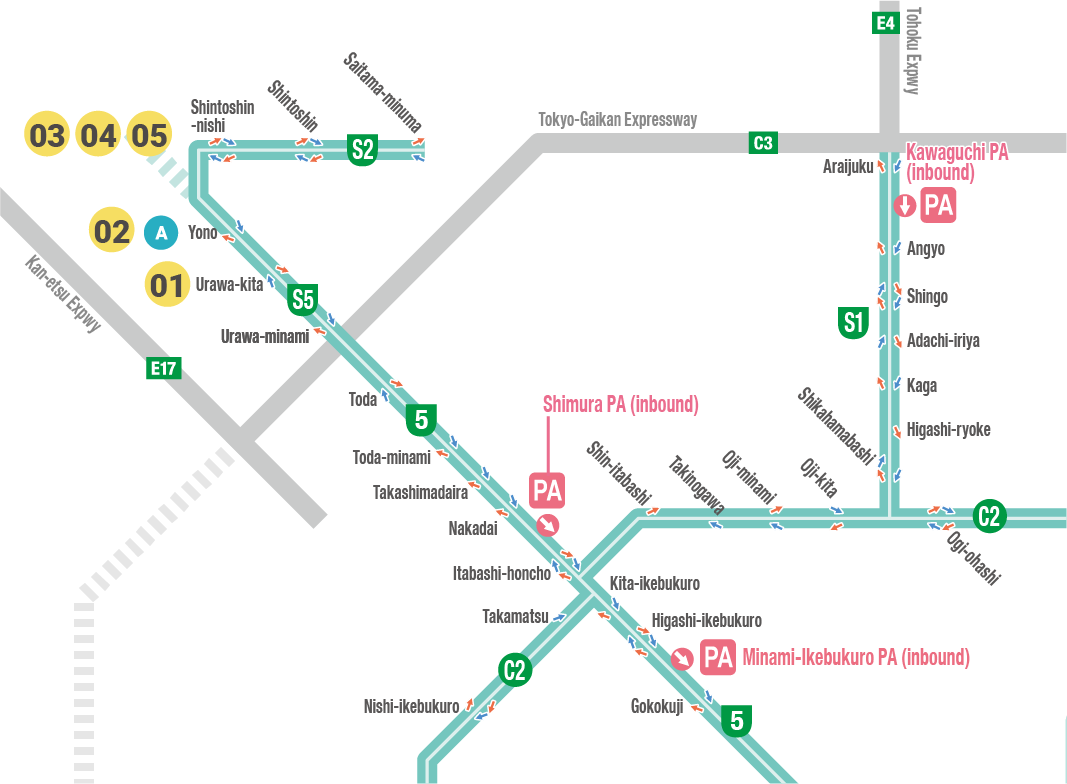
01Urawa-kita
Nambata-jo Park
About 15 min. from(S5)Urawa-kita[S554]

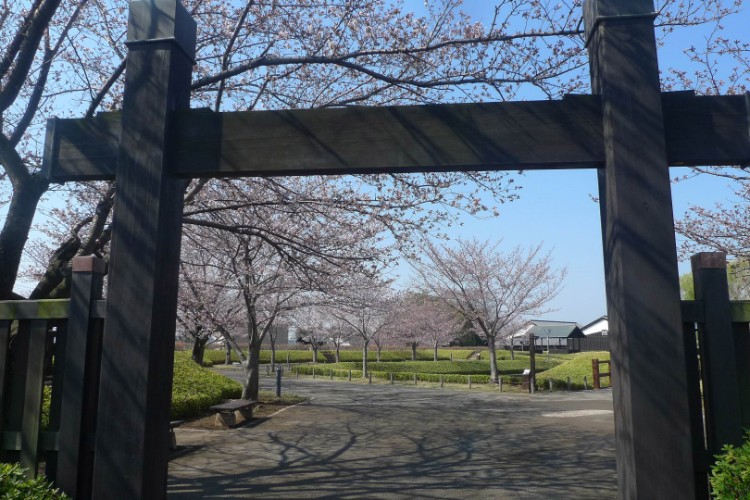
A historical park maintained mainly as the ruins of Nambata Castle which was built by a samurai from the Warring-States period named Mr. Nambata. Within this spacious site, there is the castle ruins zone, which has restorations of compounds, water moats, and earthwork forts from the Warring-States period, the old house zone, where they have transported and restored an old house from the early Meiji period, and a museum displaying numerous materials relating to Mr. Nambata and Fujimi City.
02Yono
Aeon Mall Yono
About 2 min. from(S5)Yono[S555]


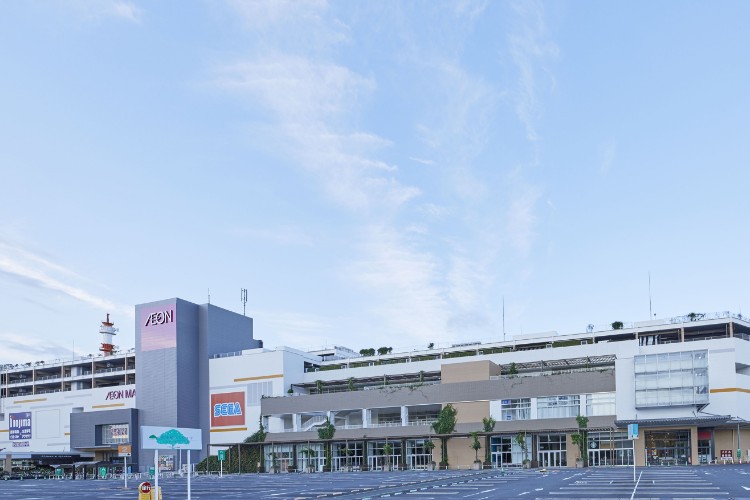

A commercial facility near the Yono exit of Tokyo Metropolitan Expressway's Saitama Omiya Line. Including numerous shops ranging from daily necessities to fashion items and hobby goods, there is also a large food court as well as rose and leaf courts, which are event spaces where they have entertainment every weekend. And, there is also Saitama Super Arena nearby.
03Shintoshin-nishi
Musashi Ichinomiya Hikawa Jinja
About 12 min. from(S2)Shintoshin-nishi[S201][S202]
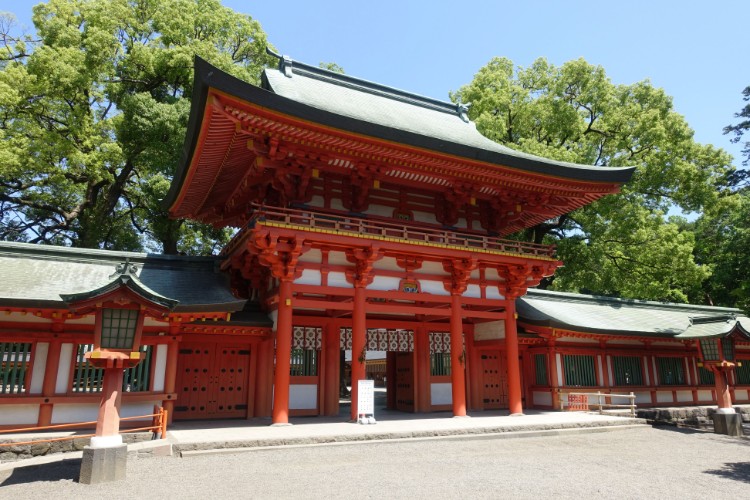
A distinguished shrine that is said to have over 2,400 years of history where the three pillars of Izumo, Susanoo-no-Mikoto, Inada-hime-no-Mikoto, and Oonamuchi-no-Mikoto, are enshrined. It is the head shrine of Musashi Ichinomiya Hikawa Jinja Shrine, which has 280 branch shrines in Tokyo, Saitama, and Kanagawa, and is also the origin of the place name of Omiya. Every year, from January 1st to the 3rd, or "the first three days" as it is called, many visitors come to the shrine for their first visit of the year.
04Shintoshin-nishi
The Railway Museum
About 12 min. from(S2)Shintoshin-nishi[S201][S202]

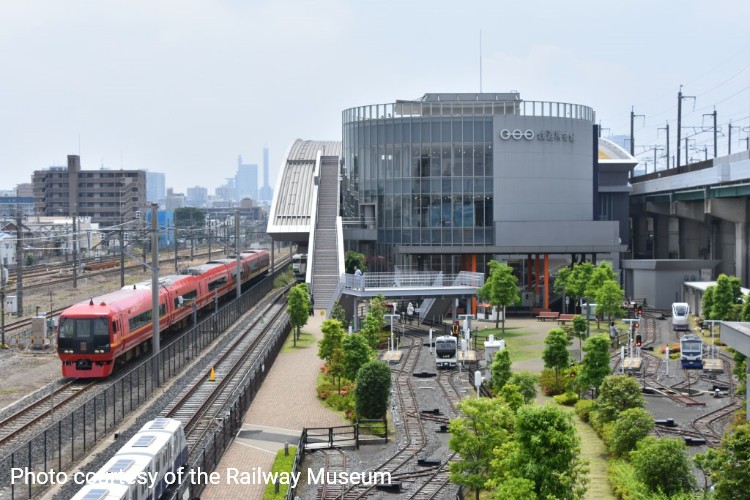
A museum preserving and displaying properties and materials relating to trains from Japan and overseas as well as actually used train cars, and more. Not only can you learn about the history of trains, you can also learn the principles and mechanisms by experiencing them through models, simulations, play equipment, and more. It is also well-stocked with original goods that you can only get here.
05Shintoshin-nishi
The Omiya Bonsai Art Museum
About 18 min. from(S2)Shintoshin-nishi[S201][S202]
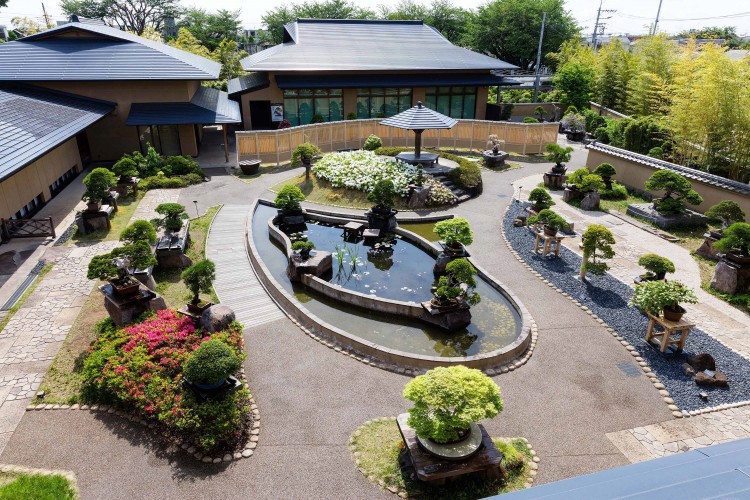
A public bonsai art museum adjacent to Omiya Bonsai Village, which is well-known for growing bonsai from long ago. Along with a great number of bonsai masterpieces on display, there is also a large collection of bonsai pots, viewing stones as well as historical materials, and other things relating to bonsai. Along with a great number of bonsai masterpieces on display, there is also a large collection of bonsai pots, viewing stones, as well as pictorial materials, historical materials, and other things relating to bonsai. A free smartphone-friendly guide to the collection, known as the “Bonsai e-Guide,” is available in the following languages: Japanese, English, Chinese (Traditional/Simplified), and Korean.
- 048-780-2091
- 2-24-3 Toro-cho, Kita-ku, Saitama
- [Mar.–Oct.] 9:00–16:30 (Admission until 16:00); [Nov.–Feb.] 9:00–16:00 (Admission until 15:30)
- Thursdays (except for National Holidays)
Closed on December 29 – January 3
*There may other temporary closures for exhibition preparation. - 39 vehicles
have the time
AYono
Kawagoe/Koedo
About 35 min. from(S2)Yono[S555]
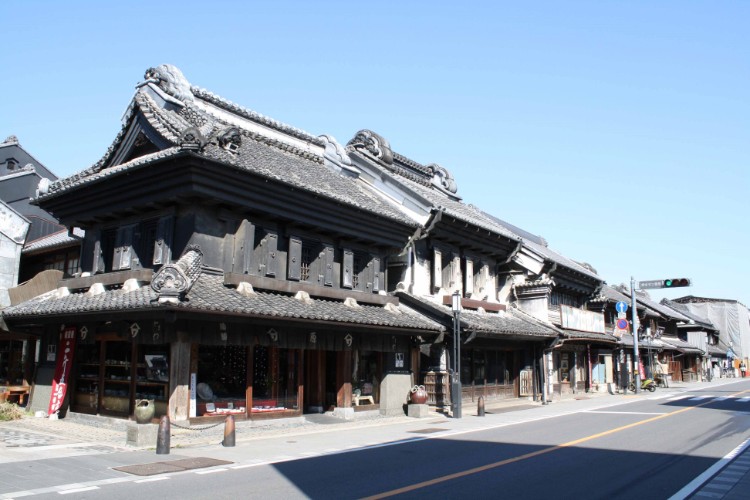
Kawagoe City, also called Koedo (Little Edo) for flourishing as the castle town of Kawagoe Castle, is an area where remnants of the Edo period still linger with its streets lined with warehouse style buildings. In the city’s historic district, you can enjoy strolling through various shops where Japanese culture is still alive. Other attractions include Kita-in Temple, which was founded in 830, and the Time Bell Tower, which was rebuilt during the Meiji period.
SHUTOKO MAP